

New energy power generation
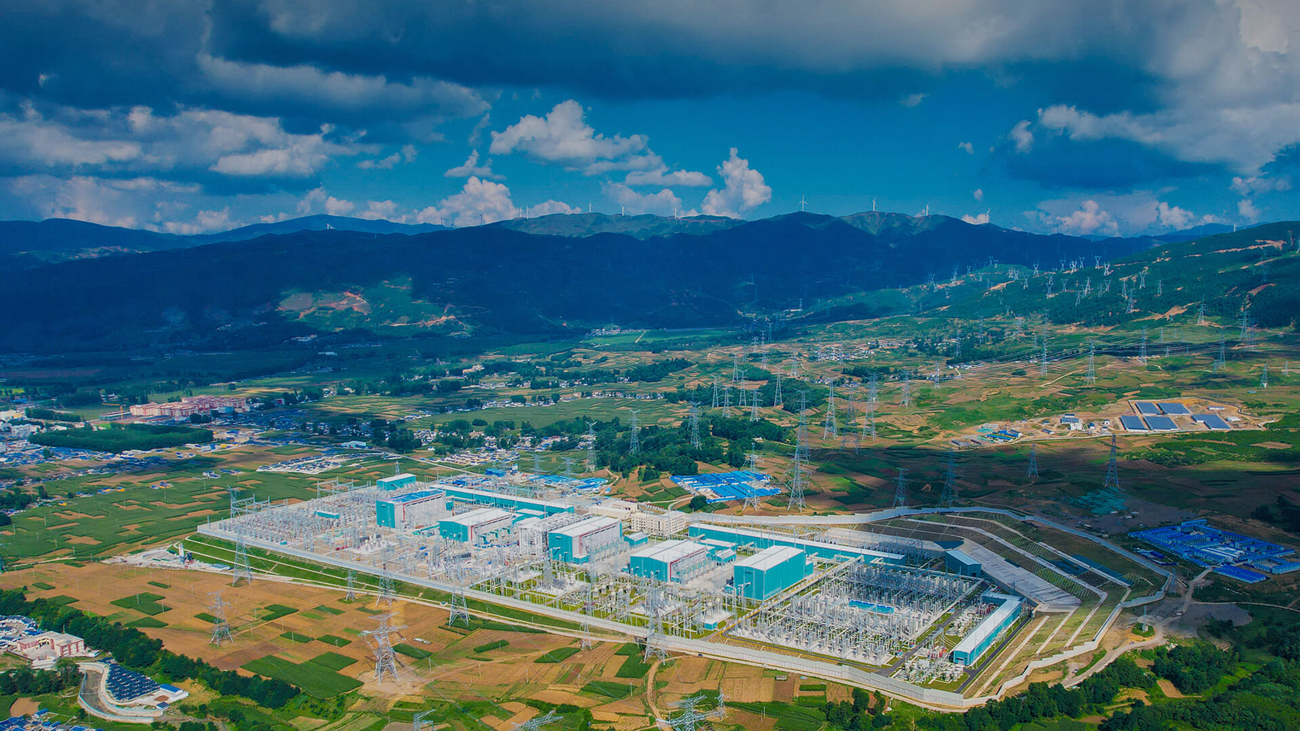
Plan Description
The field of new energy power generation covers a wide range, mainly including centralized photovoltaic power plants, distributed photovoltaic power generation systems, onshore and offshore wind farms, energy storage power stations, and multi-energy complementary projects (such as integrated PV-storage-charging or wind-PV-storage systems). The core equipment of these new energy generation systems is power electronic conversion devices, including: photovoltaic arrays and grid-tied inverters (string inverters, central inverters), wind turbines and converters (DFIG converters, full-power converters), energy storage converters (PCS), step-up transformers, and station power supply systems.
New energy generation is characterized by significant intermittency, randomness, and volatility. PV generation output fluctuates drastically with weather conditions due to sunlight and temperature; wind power output varies frequently due to changes in wind speed and direction. These characteristics cause obvious voltage fluctuations, flicker, and frequency deviation issues at the grid connection points of new energy plants. At the same time, a large number of power electronic devices like PV inverters, wind converters, and energy storage PCS generate rich harmonic currents during AC-DC conversion. Taking a PV plant as an example, when multiple inverters run in parallel, high-frequency ripple interference may accumulate, potentially causing series-parallel resonance and more severe voltage and current distortions; in wind farms, interactions between power electronic devices and long-distance submarine cables (offshore wind) can make harmonic resonance a particularly prominent issue. Additionally, during periods of high renewable output, enterprises or grid metering points may draw much less active power from the grid or even feed electricity back, while reactive power demand hardly changes, causing a sharp drop in power factor; during charging and discharging switchovers at energy storage stations, reactive power changes quickly in both directions, placing higher demands on dynamic reactive power support. Multiple power quality issues, including harmonic pollution, voltage deviation, low power factor, and resonance hazards, intertwine, severely limiting efficient integration of new energy and the safe, stable operation of the grid.
Recommended Solution
In the station power supply and low-voltage distribution systems of new energy generation projects, install IVL-RCS static filter compensation modules. These modules consist of filter capacitors and filter reactors, specifically designed for reactive power compensation and filtering in harmonic-polluted distribution systems. Among them, the 7% reactance RCS filter compensation module has a tuning frequency of 189Hz; it provides reliable reactive power compensation while effectively suppressing harmonics of order 5 and above, suitable for new energy plants where PV inverters and wind converters are the main harmonic sources (mainly 5th, 7th, 11th, 13th order harmonics). The 14% reactance RCS module has a tuning frequency of 134Hz; it effectively suppresses 3rd-order and higher harmonics and is suitable for distributed PV scenarios with many single-phase inverter devices or significant three-phase imbalance. These modules use high-voltage low-voltage filter capacitors and H-class insulated filter reactors with high linearity, strong overload capacity, and high reliability. Given the complex harmonic spectrum and severe power fluctuations of new energy sites, IVL-APF active filters or dynamic reactive power compensation devices (SVG) can be configured to work with IVL-RCS static compensation modules for comprehensive harmonic filtering and fast dynamic reactive support. Combined with our company's high-voltage switchgear, low-voltage switchgear, prefabricated substations, cable distribution boxes, switching stations, ring main units, gas-insulated cabinets, eco-friendly cabinets, and prefabricated modules, we can provide full-chain power quality solutions from high-voltage grid output to low-voltage station power systems, ensuring safe, stable, and efficient grid integration of new energy plants.
Solution Benefits
Effectively control harmonic pollution in new energy plant distribution systems, keeping current distortion within national standard limits; improve power factor at station power systems and grid connection points, avoiding penalties and fees due to poor power factor; reduce line and transformer losses to save energy and improve overall energy utilization efficiency; protect PV inverters, wind converters, energy storage PCS, step-up transformers, and station distribution equipment from harmonic damage, lower failure rates, extend service life, and reduce maintenance costs; suppress harmonic amplification, eliminate series-parallel resonance hazards, ensuring reliable and stable grid integration of new energy plants, and prevent grid disconnection or failed integration performance due to power quality issues; provide solid power quality assurance for high renewable penetration in new power systems. The solution offers both energy-saving and reliable operation advantages, ensuring high-quality power for new energy generation projects.